
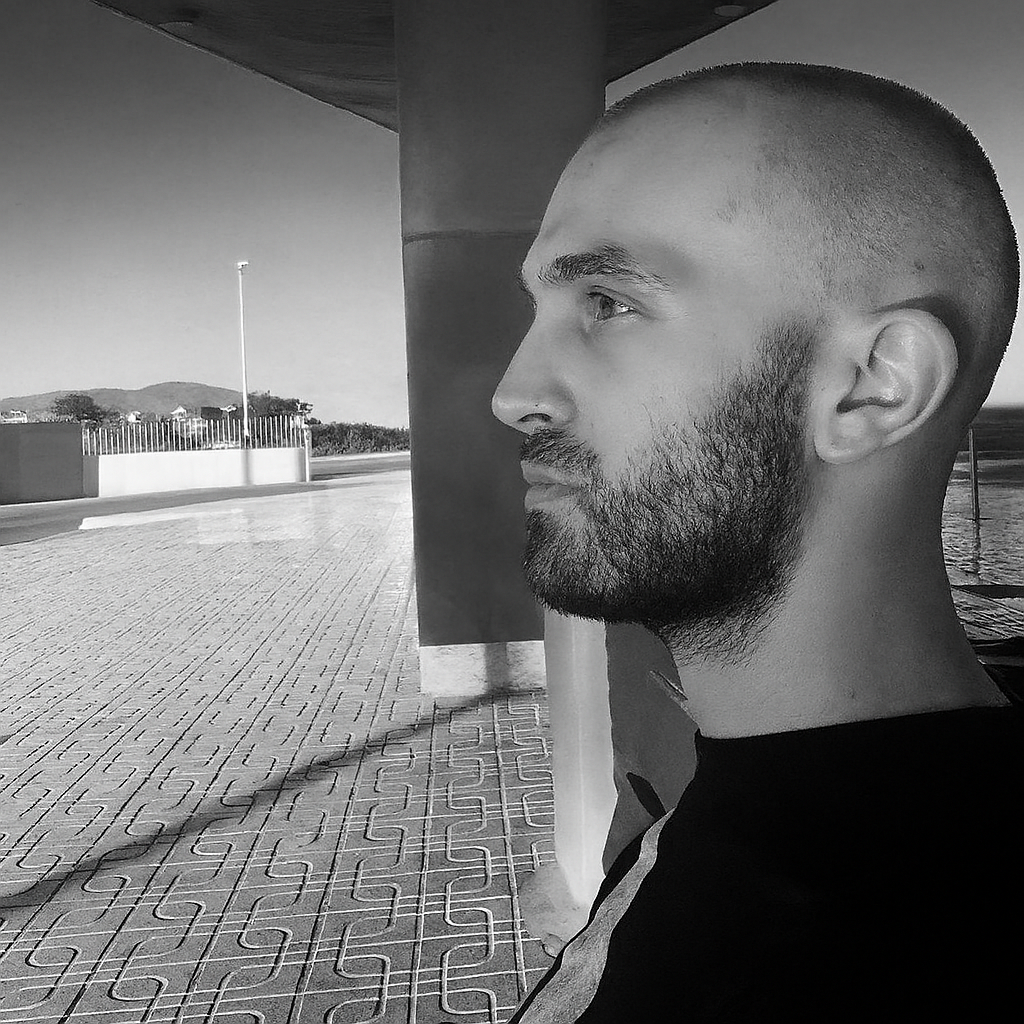
Written by Julien Ricciarelli-Bonnal
22 May 2026
LinkedIn: company pages are losing ground
For years, LinkedIn was presented as the ideal social network for companies. Creating a page, publishing regularly, building a community and distributing content seemed almost essential for strengthening professional visibility.
But over the past few months, many brands have started noticing a gradual evolution of the platform. Company pages appear to be generating weaker organic reach, while personal posts continue to achieve significantly higher visibility, engagement and interaction.
The phenomenon remains subtle, but it is already changing the way businesses need to approach their presence on LinkedIn.
Personal content is increasingly dominating
The observation is becoming common among many companies: despite frequent and sometimes highly polished publications, the organic reach of professional pages is progressively declining.
At the same time, content published directly by executives, employees or freelancers often performs far better, sometimes with far fewer production resources involved. This difference is not insignificant. It reflects a deeper transformation in the way LinkedIn functions today.
At its core, LinkedIn remains a social platform driven by human interactions. Content carried by individuals naturally generates more reactions, comments and conversations than traditional corporate communication.
LinkedIn increasingly favors human presence
This evolution mechanically reinforces the value of personal branding in professional visibility strategies. Users react more easily to a person than to a logo, more to lived experience than to perfectly polished institutional messaging.
That does not mean company pages are becoming useless. They still play an important role in structuring a digital presence, centralizing information and reinforcing the overall credibility of a business. But on their own, they are no longer enough to generate strong organic momentum.
Many companies are already adapting by putting more emphasis on executives, experts or team members capable of directly embodying the company’s vision and activity. This trend is becoming especially visible in industries such as consulting, marketing, services and recruitment.
Growing fatigue toward corporate content
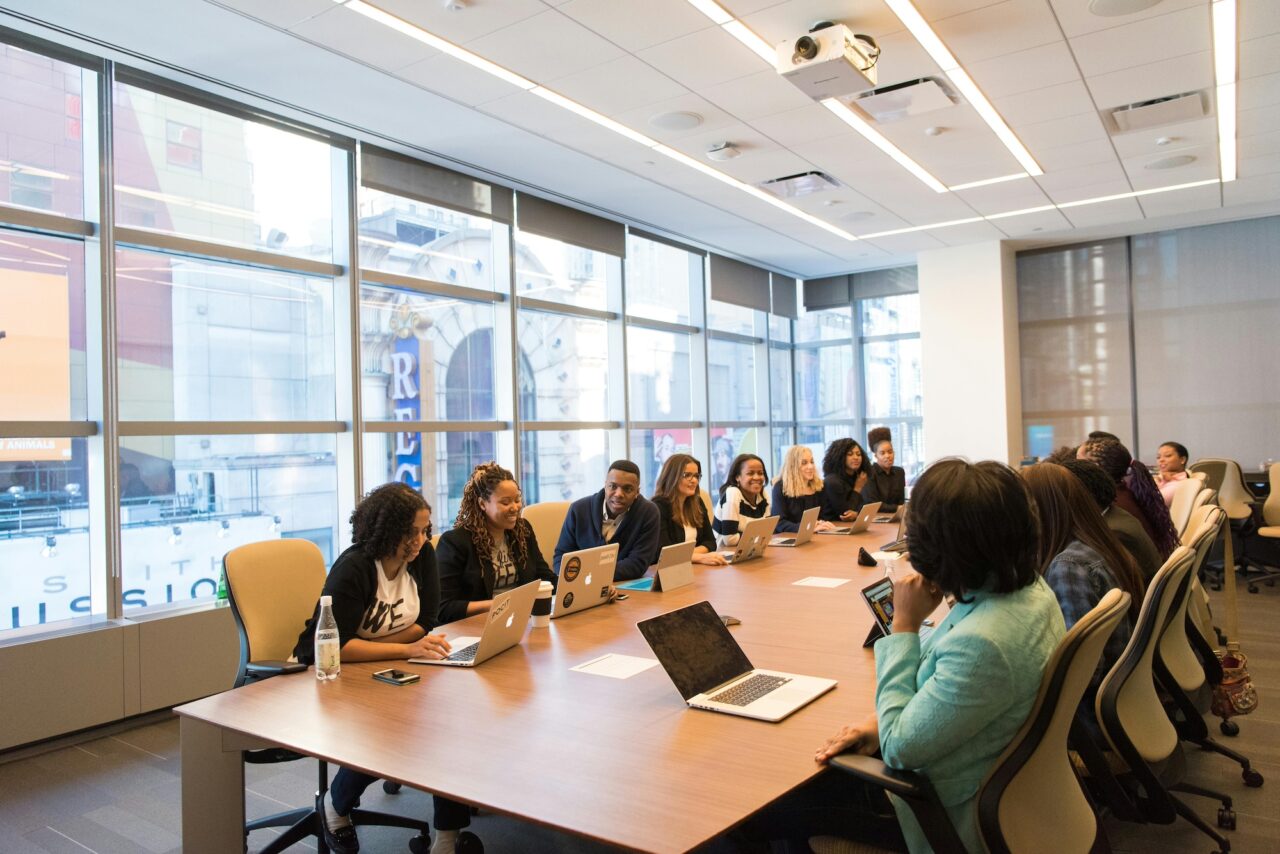
This transformation is also driven by increasing fatigue around overly institutional content. For years, LinkedIn has been flooded with highly formatted publications: artificial storytelling, standardized corporate announcements, inspirational slogans and communication sometimes completely disconnected from reality.
As a result, many posts published by company pages now look almost identical. Users immediately recognize the communication mechanics behind certain formats, which naturally reduces their ability to capture attention.
On the other hand, more direct, human and nuanced content often creates a stronger sense of authenticity. Even when strategically crafted, it tends to generate more engagement and proximity than purely institutional communication.
Companies need to rethink their approach
This evolution is progressively forcing brands to rethink how they use LinkedIn. Simply publishing automatically from a company page is no longer enough to build sustainable visibility.
The organizations performing best are often those combining several layers of presence: a coherent institutional page alongside strong individual voices capable of generating real conversations.
This approach requires much more precise work around image, editorial coherence and the way a business is embodied in increasingly saturated digital environments. This is precisely why Marketing Expertise and Public Relations are becoming increasingly important in modern visibility strategies.
LinkedIn is gradually becoming human again
Ultimately, this shift probably says something broader about professional social networks as a whole. After years of extremely corporate communication, users increasingly seem to be searching for personality, nuance and credibility in the content they consume.
LinkedIn obviously remains a professional platform. But even within this environment, human dynamics are progressively taking back control over purely institutional logic.
And in a digital world becoming more automated every year, this trend may continue accelerating in the years ahead.
Written by Julien Ricciarelli-Bonnal
22 May 2026