

Written by Julien Ricciarelli-Bonnal
3 August 2026
The Essentials
The creator economy continues to expand, but its model is showing clear signs of fatigue. Creators are expected to publish constantly, satisfy algorithms, remain personally accessible and integrate increasingly controlled commercial campaigns without ever appearing artificial. Audiences, meanwhile, have learned to recognise interchangeable recommendations, overproduced spontaneity and partnerships that bear little connection to the person promoting them. Brands have industrialised proximity to the point of weakening what made it valuable: a distinctive, credible and recognisably human voice. Influencer marketing is not disappearing, but its future will depend less on accumulating views than on preserving trust, consistency and the creator’s genuine ability to influence behaviour.
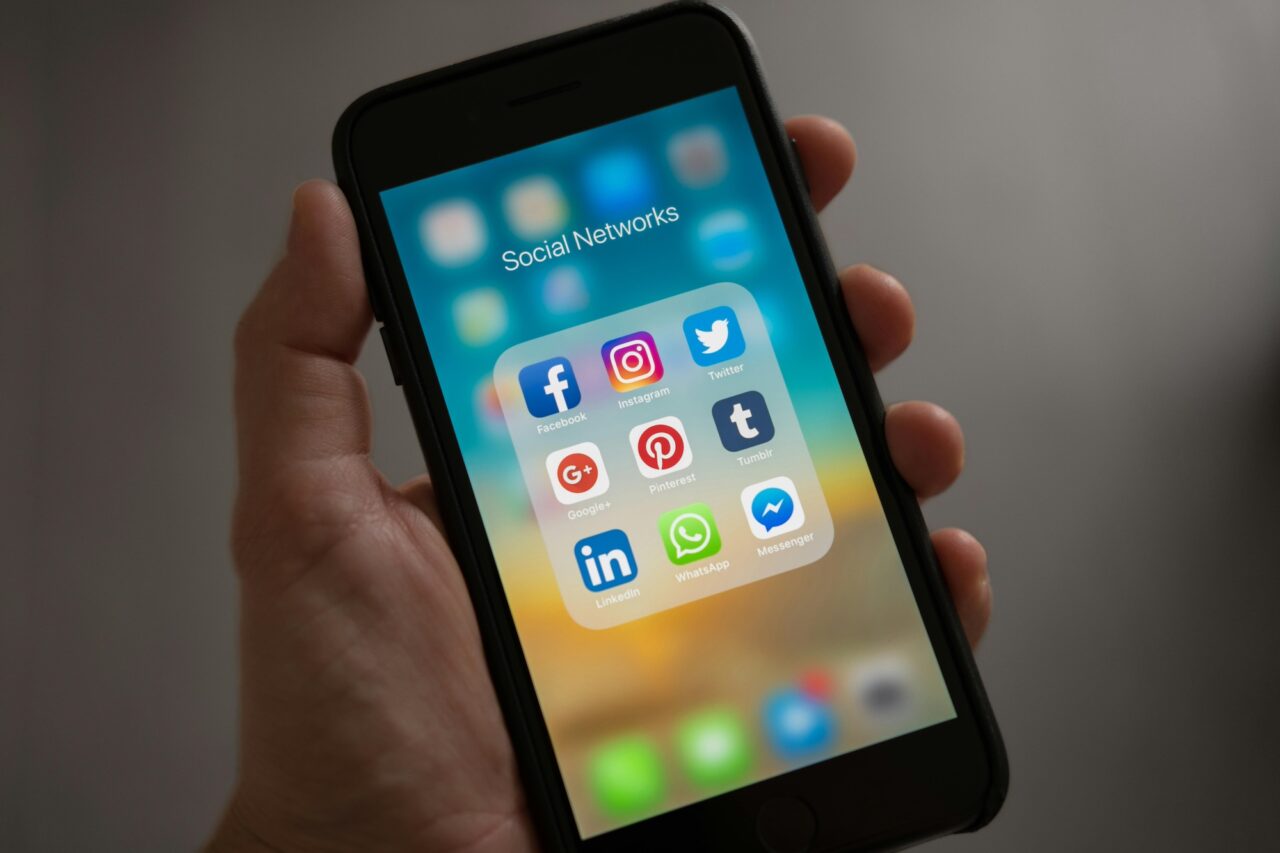
Influencer marketing was built on a simple promise: replacing the distance of traditional advertising with the proximity of someone people had actively chosen to follow. The creator did not merely repeat a corporate message. They described an experience in their own language, within their own world, to a community already familiar with their opinions and habits.
That difference created the value of the model, before its success began to erase it. As budgets increased, campaigns became more professionalised, agencies multiplied and sponsored content entered marketing calendars like any other advertising format. What had originally depended on a particular relationship gradually became a production chain.
Brands still demand spontaneity. They want a natural video, a sincere recommendation, a personal tone and an integration that does not feel like an advertisement. They then accompany that request with a detailed brief, mandatory claims, prohibited wording, legal approval, several rounds of revisions and sometimes a script precise enough to dictate the creator’s pauses.
The result is one of the strangest contradictions in modern marketing: a creator is asked to appear completely authentic while performing a version of authenticity approved by several departments.
Being a Creator Has Become a Job Without a Real Pause
Exhaustion does not come only from the number of sponsored campaigns. It begins with the operating logic of the platforms themselves, which reward frequency, speed and continuous visibility. Creators must find ideas, write, film, edit, publish, respond to comments, analyse performance, negotiate contracts and begin again before the previous content has finished circulating.
The job combines the demands of a media outlet, a production studio, a sales department and a small business, often without the teams or financial stability associated with any of them. Even successful creators remain dependent on algorithmic decisions they cannot control, audience expectations they must constantly interpret and commercial partnerships that may arrive irregularly.
The boundary between the individual and the production tool is also difficult to preserve. A company can replace an employee, and a television programme can change presenters, but an influencer often sells a direct continuity between their personality, daily life and content. Taking a break therefore risks becoming commercially costly, while continuing means turning an ever-larger part of life into editorial material.
Creators must remain visible without appearing obsessed with visibility, sell without looking commercial, work without showing the effort and continuously renew a public persona that is expected to feel natural. The pressure is not simply to produce more. It is to make industrial production appear effortless.
Audiences Have Learned to Recognise Advertising Disguised as Intimacy
Audiences are no longer discovering influencer marketing. They understand its vocabulary, transitions and recurring scenarios. They know that “you keep asking me what I use” can introduce a paid partnership, that sudden enthusiasm for a product may coincide with twenty similar posts and that an apparently improvised scene may have been approved several days earlier.
That awareness does not mean people reject every sponsored post. A relevant collaboration, clearly disclosed and presented by someone with genuine credibility can still work extremely well. Audiences generally understand that creators need to earn money, and most do not expect every recommendation to be entirely free from commercial considerations.
Fatigue appears when the same structure is repeated too often. The same introduction, demonstration, promise, discount code and call to action circulate from one account to another. The creator’s face remains visible, but the content could have been transferred to almost anyone else without changing its meaning.
The problem is intensified by volume. A personal post prepares the audience for a sponsored video, which is followed by a reminder in Stories, before another collaboration appears in a neighbouring product category. Each piece of content may be competently made, but the account gradually begins to resemble a catalogue.
When that happens, the commercial logic no longer sits alongside the relationship. It begins to replace it.
This saturation harms brands as much as creators. Once an audience treats every recommendation with suspicion, even the most coherent collaborations lose part of their persuasive power. The company may have purchased reach, but it has also contributed to weakening the trust that made that reach valuable.
Brands Standardised What Worked Because It Was Not Standard
Marketing departments naturally prefer repeatable processes. They want to compare results, protect messaging, limit risk and ensure that every piece of content supports the campaign objectives. That logic is understandable, but it conflicts with the nature of influence, whose value depends precisely on a voice that cannot be standardised completely.
The more a brief attempts to eliminate uncertainty, the more it often eliminates personality. The brand specifies the vocabulary, imposes several product benefits, defines the duration, selects the music, requires a demonstration and approves the final edit. It then asks the creator to make the result feel authentic, as though authenticity were a finishing effect that could be added during the last revision.
The contradiction is fundamental. A company selects a creator because they possess a tone, an audience and a distinctive way of explaining things. It then tries to reduce those differences so that the content more closely resembles the company’s existing communication.
At that point, the influencer is no longer offering a genuine recommendation. They are lending their face, voice and access to their audience to an advertisement over which the brand retains almost complete control. The result may satisfy every requirement and fail for exactly that reason: it contains nothing the public could not hear in a conventional campaign.
To build communication that preserves the credibility of the people delivering it, brands must accept a degree of freedom, nuance and occasional imperfection. Choosing a creator means trusting their judgement, not merely purchasing their statistics. The English marketing and communication page used here is active and publicly accessible.
Real Influence Can No Longer Be Measured Through Views Alone
Advertisers are beginning to look beyond raw reach. Views remain useful, but they do not reveal whether a piece of content changed perceptions, created trust or led to meaningful action. A widely watched video can produce little commercial impact, while a smaller creator can generate sales, registrations or lasting preference within a highly engaged community.
This helps explain the growing interest in micro-influencers, specialist communities and longer-term partnerships. Brands are increasingly looking for alignment between the creator, the audience and the product, rather than simply purchasing the largest available number of impressions.
A continuing relationship also gives the partnership a different meaning. When a creator uses, discusses and occasionally criticises a product over time, the endorsement becomes part of a visible experience. A single isolated publication, especially when surrounded by unrelated promotions, rarely produces the same credibility.
Measurement must therefore evolve towards the quality of engagement, clicks, conversions, saves, shares, repeated mentions and the long-term health of the community. The most important question is no longer simply how many people saw the content, but whether the creator was capable of making the audience care, remember or act.
The future of influencer marketing will probably not depend on producing even more campaigns. It will depend on selecting fewer creators, building more coherent relationships and giving them enough freedom to produce something other than an advertisement disguised as personal content.
Influencers are exhausted because they are expected to operate as permanent media companies, effective salespeople and endlessly available personalities. Their audiences are becoming tired because they see the same structures, placements and staged enthusiasm moving from one account to another. The sector does not lack money, data or talent. It increasingly lacks space to breathe.
Proximity cannot be industrialised indefinitely without becoming artificial. A brand can purchase a publication, an audience and a number of views. It cannot mechanically purchase the trust that gives them value.
👉 Influencer marketing becomes effective again when creators are no longer treated as interchangeable advertising spaces. Ricciarelli Partners helps companies build more credible, coherent and sustainable marketing strategies. The English strategy and business development page is also active and verified.
Written by Julien Ricciarelli-Bonnal
3 August 2026